
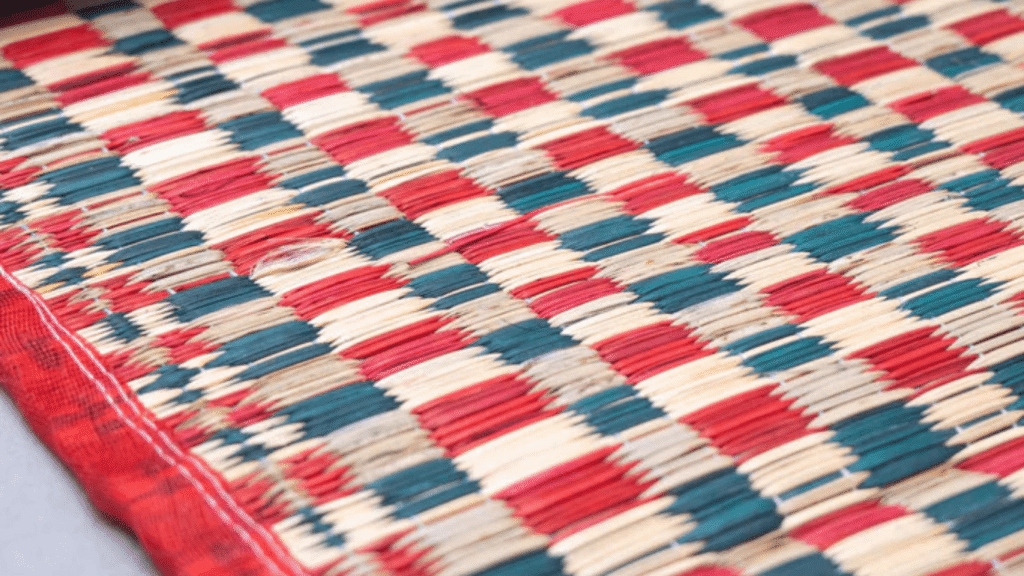
Natural fibers are having a moment in interior design, not as a fleeting “green” phase, but as a meaningful shift in how we choose materials, furnish our rooms, and define comfort. As homeowners and renters alike look for interiors that feel calmer, warmer, and more rooted in craft, plant- and animal-based textiles are stepping forward with a quiet confidence. They bring tactile richness that synthetic finishes often struggle to replicate, while also aligning with a growing desire for authenticity and longevity in the home.
From novelty to new normal
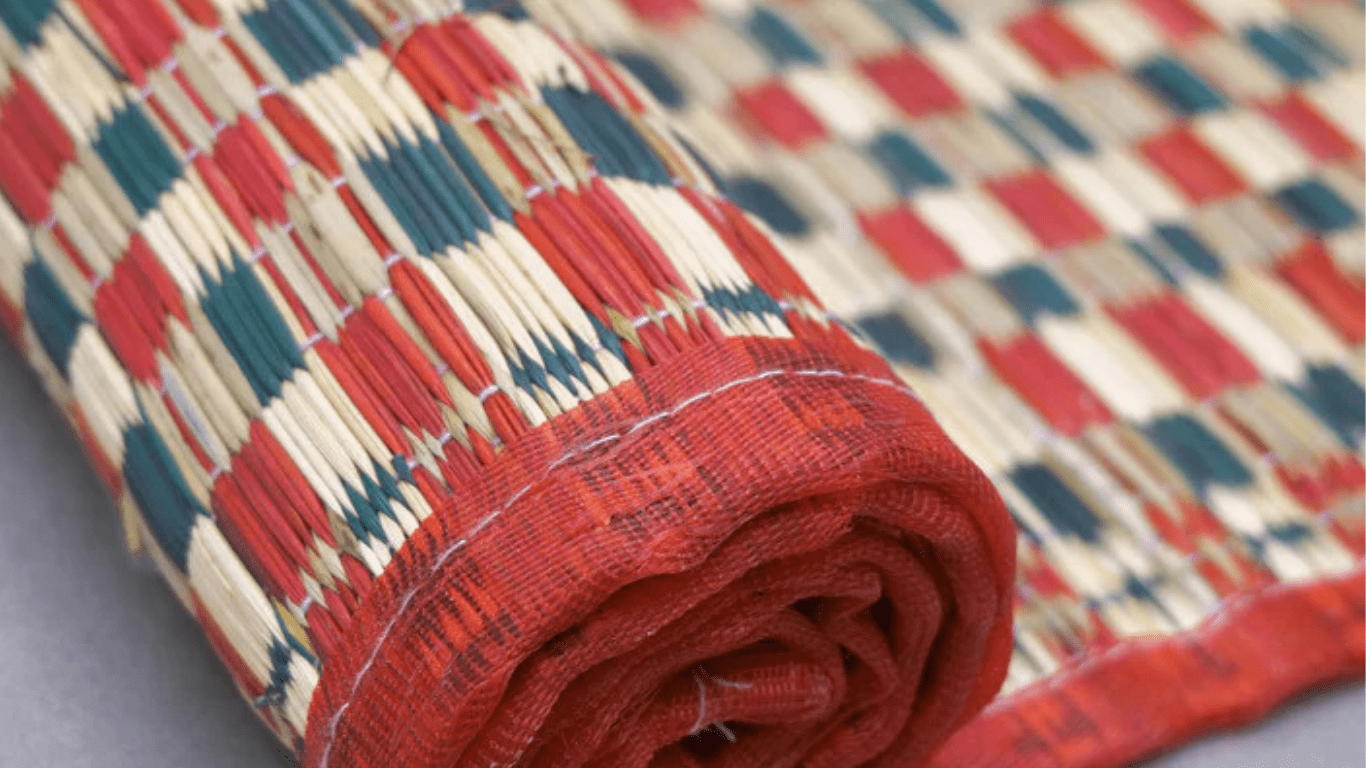
A few years ago, natural fiber accents were treated like stylistic add-ons, one jute rug here, one rattan chair there. Now, they’re being used as foundational elements that shape the character of a space. The shift is partly aesthetic: natural fibers read as soft, breathable, and visually forgiving, which makes them ideal for real life. It’s also practical, because these materials perform well in many climates and age in ways that feel lived-in rather than worn-out. Even shoppers browsing for everyday home goods while researching foldable korai pai online often end up noticing how versatile natural weaves can be when used beyond a single corner of the room.
Why texture is leading the trend
The current design landscape is saturated with smooth surfaces: painted drywall, flat cabinetry, polished stone, and large-format tile. Natural fibers counterbalance that sleekness by introducing texture that catches light gently and adds depth without visual clutter. A woven rug can soften a sharp-angled coffee table; a linen curtain can make a bright room feel less stark; a cane-front cabinet can break up a wall of solid doors. This is why natural fiber pieces are showing up not only in boho or coastal spaces, but also in modern, Japandi, and even industrial interiors.
Materials that are shaping rooms today
Not all natural fibers behave the same, and understanding their personalities helps you use them with intention. Jute is structured and earthy, perfect for grounding living areas and entryways. Sisal is tougher and more utilitarian, often chosen for high-traffic zones where a crisp, tailored look matters. Seagrass offers a smoother hand-feel and a subtle sheen, making it well-suited for baskets and storage. Linen drapes beautifully, making it a favorite for window treatments and bedding. Wool is resilient and insulating, excellent for rugs and upholstery where comfort and durability need to coexist.
Comfort, airiness, and the way a space breathes
One reason natural fibers are rising in popularity is their influence on the sensory experience of a room. They don’t just look inviting; they tend to feel better underfoot, against skin, and in the hand. Rooms styled with natural textiles often appear less “staged” and more human, like a place where you can exhale. Layering a flatweave rug with a wool throw, or pairing linen cushions with a woven bench, can create a softness that reads as effortless yet designed. The result is a home that feels airy, not empty, warm, not heavy.
Color stories that pair well with natural fiber
Natural fibers are inherently compatible with today’s most popular palettes, especially warm neutrals, clay tones, muted greens, and sun-faded blues. Their understated coloration helps balance bolder design moves, like statement lighting or art-heavy walls. If you lean toward minimalism, natural fiber pieces can prevent the space from feeling cold. If you love color, they can act as a visual “rest” that keeps the room from feeling overworked. The best part is how forgiving they are: a natural fiber base can transition across seasons with small swaps, covers, cushions, or a different throw without requiring a total redesign.
Styling strategies that avoid the theme look
The key to using natural fibers well is to avoid collecting items that all shout the same idea. Instead of buying five woven objects in one trip, spread them across the room’s functions: one for comfort (a rug), one for softness (textiles), one for storage (baskets), and one for structure (a chair or screen). Mix weaves and scales so the room feels layered rather than matched. A tight weave next to a chunky knit creates contrast; a smooth linen beside a rough jute feels intentional. Think in terms of balance: one statement texture, then quieter supporting textures around it.
Thoughtful sourcing and care for long-term use
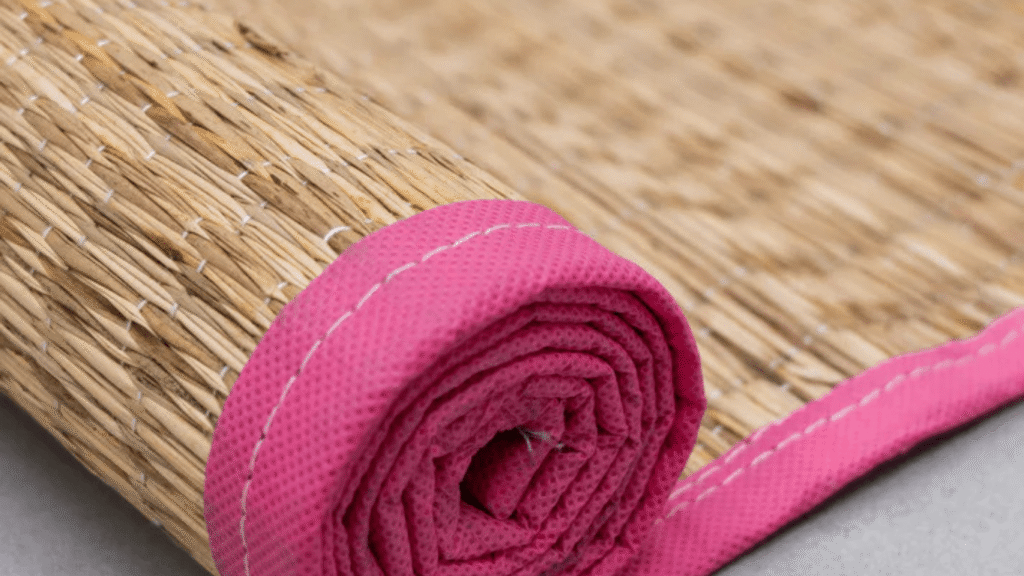
Natural fibers can last a long time when chosen carefully and maintained with simple habits. Pay attention to construction: tightly bound edges, dense weaves, and sturdy stitching signal better durability. Consider placement, too; some fibers handle moisture better than others, and sunlight can fade certain dyes. Regular shaking, gentle vacuuming, and rotating rugs help distribute wear. For anyone collecting inspiration from eco-friendly decor ideas, choosing timeless weaves and repairing small issues early can reduce replacement cycles and keep a space looking intentional for years.
Every day living, simplified by natural choices
Natural fibers fit neatly into lifestyles that favor fewer, better things items that do multiple jobs and age gracefully. When you streamline your home around comfort and function, you naturally become more selective about what you bring in, which is where simple living tips can influence design decisions without making the room feel sparse. A woven basket can replace multiple small organizers; a durable rug can reduce the urge to redecorate frequently; breathable bedding can make a bedroom feel “finished” without extra accessories.
Conclusion
The rise of natural fiber in interior design is ultimately about returning to materials that feel grounded, tactile, and honest. These textures soften hard architecture, warm up modern silhouettes, and create rooms that look composed without feeling rigid. They also encourage a more mindful approach to furnishing, where comfort, craft, and longevity matter as much as visual impact, helping spaces feel personal rather than purely trendy.