
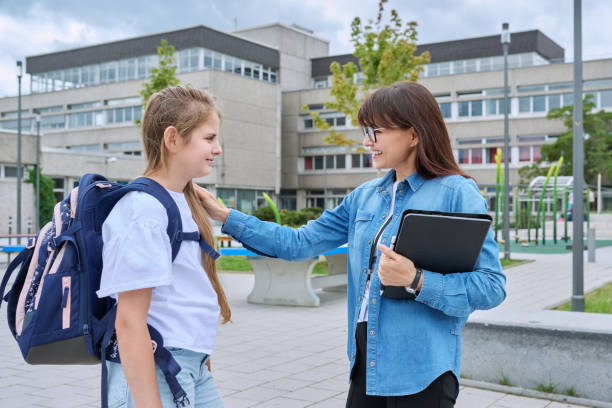
A campus is more than classrooms and corridors. For young learners, it is a daily world where confidence is built, friendships form, and lifelong attitudes toward learning take shape. When children feel secure and supported, they are more likely to participate, take healthy academic risks, and recover faster from setbacks. That sense of safety is not only physical; it includes emotional stability, social belonging, and predictable routines that help students focus.
Creating a truly supportive environment requires intentional design, consistent policies, and a school culture that values every child’s well-being. From arrival to dismissal, each touchpoint can either reduce stress or add to it. The most effective campuses treat safety and support as shared responsibilities across staff, families, and students, rather than a single program or policy.
Building a Culture of Care From Day One
A safe campus begins with culture, because children respond first to the tone adults set. When educators model respect, patience, and fairness, young learners quickly understand what is expected and what they can expect in return. This culture is shaped through welcoming routines, consistent classroom norms, and clear behavior expectations that emphasize learning and repair rather than fear.
Schools that nurture trust also communicate it in small, daily ways: greeting students by name, noticing effort, and responding to mistakes with guidance instead of shame. In communities exploring examples of values-led schooling, Chanung UNACCO cbse school in manipur is often mentioned in conversations about the importance of structured support and a student-centered approach, reflecting how culture and consistency influence a child’s sense of safety.
Designing Physical Spaces That Reduce Risk and Stress
Physical safety is not only about preventing accidents; it is also about designing spaces that feel calm and manageable for children. Bright, clean classrooms with appropriate lighting, clear sightlines, and age-appropriate furniture reduce both physical hazards and emotional overload. Well-marked hallways, supervised common areas, and thoughtfully planned entry and exit points help students move confidently without confusion.
Equally important is creating spaces that support regulation. Quiet corners, reading nooks, or designated calm areas can help children reset when they feel overwhelmed. When campuses balance security features with warm, child-friendly design, students feel protected without feeling watched, and that difference matters for everyday comfort and concentration.
Clear Routines and Consistent Supervision
Consistent schedules, clear transitions, and familiar procedures reduce anxiety and minimize conflict during high-energy moments like recess, lunch, or dismissal. Modern campuses also rely on secure and streamlined information management practices to coordinate attendance records, communication, and student-related documentation effectively. Staff presence should be visible and steady, especially in corridors, playgrounds, and pickup zones where most incidents tend to occur.

Consistency also means that rules are applied fairly. When children see that expectations do not change depending on the adult or the mood of the day, they are more likely to cooperate and less likely to test boundaries. Over time, stable routines become a form of emotional safety that supports learning as much as it supports behavior.
Social-Emotional Learning
Supportive campuses teach more than academics; they teach children how to navigate feelings, friendships, and disagreements. Social-emotional learning helps students name emotions, practice empathy, and develop coping strategies that prevent small issues from turning into larger conflicts. These skills are especially valuable for young learners who are still developing self-control and communication abilities.
Belonging grows when every child feels seen. Inclusive class activities, cooperative learning, and teacher-led discussions about kindness and respect can shape peer culture in powerful ways. Parents often look for strong academic foundations for young children in schools that also encourage emotional growth, creativity, and positive interaction among students. When children learn how to include others and resolve misunderstandings, the campus becomes safer not only because adults intervene, but because children learn to care for their shared environment.
Anti-Bullying and Positive Discipline That Teach, Not Threaten
A strong approach to bullying prevention combines clear definitions, quick response, and ongoing education. Children need to understand the difference between conflict and repeated harm, and they need safe ways to report concerns without fear of retaliation. When schools address issues early and consistently, students learn that their voices matter and that adults will protect them.

Positive discipline reinforces accountability while preserving dignity. Instead of focusing only on punishment, effective systems teach alternatives, guide reflection, and rebuild relationships through restorative conversations. This approach reduces repeat incidents, supports classroom stability, and shows young learners that mistakes can become opportunities for growth when handled with fairness and care.
Health, Hygiene, and Emergency Readiness as Everyday Standards
Health and hygiene practices are foundational to a safe campus, especially for younger children who may be more vulnerable to common illnesses. Clean drinking water, sanitized restrooms, and routines for handwashing contribute to a healthier learning environment and fewer disruptions. Schools also support student wellness by noticing fatigue, stress, and nutrition-related concerns that can affect attention and behavior.
Emergency readiness should feel calm, not alarming. Age-appropriate drills, clearly posted procedures, and trained staff ensure quick action when needed. When children know there is a plan and adults are prepared, their confidence increases. A well-prepared campus strengthens trust, which is essential for both safety and learning continuity.
Family Partnerships and Student Voice
Families are key partners in building supportive environments because home and school influence one another. Regular communication, transparent policies, and respectful collaboration help adults address concerns before they escalate. When caregivers understand expectations and feel welcomed, they are more likely to reinforce routines, share important context, and participate in problem-solving.
Student voice also matters, even for young learners. Simple practices like classroom check-ins, suggestion opportunities, and guided discussions help children express what makes them feel safe or uneasy. When schools listen and respond, students learn self-advocacy and responsibility. This shared ownership strengthens campus culture and keeps safety efforts grounded in real daily experiences.
Conclusion
Safe and supportive campus environments do not happen by accident. They are built through caring culture, thoughtful spaces, consistent routines, and proactive learning that strengthens social and emotional skills. When schools approach safety as a whole-child commitment, students gain more than protection; they gain confidence, stability, and a sense of belonging that improves learning outcomes.
As educators and families work together, the campus becomes a place where children can explore ideas, build friendships, and grow into resilient learners. A truly supportive school is one where every child feels secure enough to try, supported enough to ask for help, and valued enough to show up fully each day.