
Picture a quiet village lane in the evening. The fields are still, the sky is pink, and the only noise is your phone ringing from a faraway city. On that call, the talk often turns to health, money, and who will help your parents in daily life. A few years ago, hardly anyone in the village spoke about old-age homes. Now the idea comes up more often, usually with a mix of worry, fear, and hope.
Across India, young people are moving from villages to cities for studies and jobs. Homes that once had grandparents, parents, and children under one roof now have only the older couple or even a single parent. At the same time, the number of senior citizens is rising fast. Experts say that older people may make up around one-fifth of India’s population by 2050. Many of them will still live in rural areas, facing needs that the old joint family system used to meet.
This creates a painful tension. You may want to grow in your career and give your children better chances, yet your parents may be alone in the village with failing health and fewer people around to help. You may hear neighbors whisper that sending parents to old age homes is wrong, even when you know they need more care than you can give from far away.
This article walks you through how urbanization is changing rural families, what your parents face when they live alone, and how old-age homes in rural and semi-rural India are stepping in. By the end, you will see practical ways to think about old age homes, ask the right questions, and make a choice that protects both your parents’ dignity and your peace of mind.

How Urbanization Is Reshaping Rural Family Structures
Urbanization in India is not just about new buildings and wider roads in cities. It quietly changes life in villages, too. When you or your siblings move to Mumbai, Bengaluru, or another city, the family pattern that protected elders for generations starts to shift. The joint family that once shared money, work, and care often breaks into smaller, separate homes spread across many places.
Earlier, parents grew old with sons, daughters-in-law, and grandchildren around them. If one person was busy, someone else could take your father to the clinic or help your mother with her medicines. As more young adults leave, the home in the village may now have only your parents, or one surviving parent, trying to manage everything alone. Families who once believed they would never consider outside care sometimes begin exploring structured options that promise safety and dignity, including a luxurious old age home in Gujarat that allows elders to stay within cultural familiarity while receiving professional support. Even when you send money regularly, the everyday physical presence and emotional reassurance they need may still be missing.
This change is linked to work and farming as well. Many small farms no longer provide steady income, so younger people look for city jobs. Local schools may not offer the kind of education families now expect, so children go away to study and then stay back in towns. Over time, a large share of older people in rural India end up living without adult children nearby, and some live completely alone or only with a spouse.
As these patterns grow, a clear care gap appears. The older belief that “family will handle everything” no longer works the way it once did, especially when it comes to daily medical help or emergency support. At the same time, formal services like trained home nurses, assisted living, or old age homes are still thin in many rural pockets. Your love for your parents may stay strong, but the structure around them changes, and that change makes daily life harder and riskier for them.
“The test of a civilization is the way that it cares for its helpless members.”
— Pearl S. Buck
For many Indian families, this test now appears in the form of how they care for aging parents who remain in the village while children move to the cities.
The Real Challenges Elderly Face in Rural Areas During Urbanization
When parents stay back in the village while children move away, they do not just miss company. They face many very real, day-to-day problems that pile up over time. Some of the biggest issues are:
- Health Care Gaps
Small clinics may not have specialists who understand older bodies and chronic conditions. A simple check-up may mean a long bus ride or an expensive hired vehicle to reach the nearest town. If your father has diabetes or your mother has heart issues, missed visits or delayed treatment can be dangerous. The contrast becomes sharper when you compare this reality with the growing expectations of modern living for seniors in urban India, where structured care, safer housing designs, and accessible healthcare are becoming more common. This widening gap makes families increasingly aware of how vulnerable rural elders can be without consistent medical infrastructure. - Money And Financial Independence
Some older people receive pensions, but many in rural India still depend on support from children, farm income, or small savings. Managing fields or livestock becomes harder as strength and eyesight decrease. Handling bank work, paperwork, and government schemes without help can be confusing. When you are far away, even sending money does not solve everything if your parents struggle to use it safely. - Daily Living And Mobility
Simple tasks like fetching water, climbing stairs, cooking on the floor, or using an uneven bathroom become risky as knees weaken. Public transport may be rare, and walking long distances to markets or health centers is tiring. Old village homes were not built with railings, non-slip floors, or senior-friendly toilets, so one fall can change life overnight. - Loneliness And Mental Health
Many of your parents’ friends may have passed away or moved to live with their own children. With fewer young people left in the village, there are fewer visitors and less noise in the streets. Long hours alone can lead to sadness, anxiety, or memory issues. On top of this, a lack of comfort with smartphones or video calls makes it harder for some elders to feel you are truly present, even when you call often. - Safety And Security
Safety is a constant concern. If your mother slips in the bathroom at night, there may be no one nearby to hear her. In case of a sudden chest pain, there is no emergency button on the wall, no nurse down the corridor. Worries about property disputes or cheating also rise when elders live alone. When you put all this together, it becomes clear why more families are beginning to look at old age homes and other senior care options with fresh eyes.
What This Means For Your Decision-Making
These challenges place you in a tough spot. You want your parents to stay in the home and village they love, yet you also see the risks they face each day. Long-distance caregiving brings its own stress, as you keep checking your phone for missed calls and fear the message about a sudden health issue. At some point, you may need to consider care choices that your grandparents’ generation never had to think about.
This is where options like old age homes and senior living communities come in. They are not about giving up on your parents. They are about facing the current reality with open eyes and asking what kind of support will keep them safe, healthy, and less lonely over the next many years.
Long-distance care often means balancing emotional promises with practical limits. Honest thinking about this balance is the first step toward a plan that keeps both you and your parents steadier.
The Emergence Of Old Age Homes In Rural India
For a long time, many people in India thought old age homes existed only in big cities or for those who had no family. That picture is changing. In several states, old age homes are now coming up in rural and semi-rural areas, often run by trusts, community groups, or religious bodies. They are closer to the villages your parents know, sometimes just a short bus ride away, which makes the idea less scary for everyone.
These rural old-age homes usually offer simple but steady support. Residents get a clean bed, cooked meals at fixed times, and help with bathing, dressing, and medicines if needed. There may be a visiting doctor or a nurse on site, along with regular health monitoring and hospital tie-ups for emergencies. As facilities evolve, the gradual adoption of technology in retirement homes, such as emergency call buttons, digital medical records, CCTV supervision, and simplified video calling systems, is improving both safety and communication for residents and their families. Even modest technological upgrades can reduce risks and give children living in cities greater peace of mind.
The biggest change is in how people think about old age homes. In many families, the old belief was that sending parents to such a place meant you did not care. Now, more children and elders see these homes as a way to keep parents safe when no one can stay with them full-time. When parents live in old age homes, staff members keep an eye on them, there is quicker help during emergencies, and the risk of silent suffering reduces.
Cost matters too. While premium senior living communities in or near cities can be expensive, several rural old-age homes are more affordable. Some receive support from government schemes or charities, which lowers fees for residents. Programs like the National Program for the Health Care of the Elderly aim to bring better medical care closer to older people, and many old age homes in smaller towns try to connect with such support.
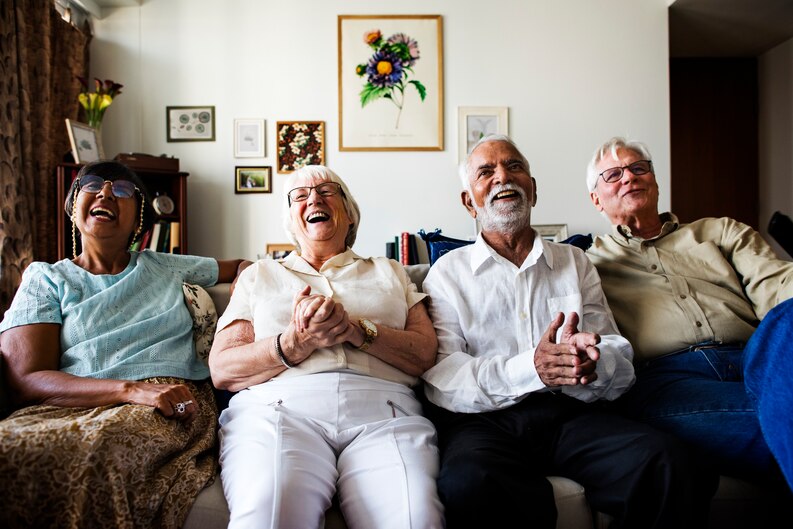
Community feeling is another strong point. In old age homes, your parents meet others of the same age who share similar stories of children working in cities, of farming days, and of festivals back home. Group prayers, games, or simple morning walks in a shared courtyard help rebuild the social circle that urbanization has broken. Compared with living alone in the village, your parents may have more laughter and conversation in these settings.
You can remain deeply involved. Regular phone calls, video chats, and planned visits during holidays help keep family bonds strong even when your parents live in old age homes. Media channels such as ABC Network often air news reports and talk shows on senior care, rural elders, and old age homes. Watching such programs can give you real stories, expert views, and questions to ask when you visit different old-age homes near your hometown, so your choice is based on clear information, not only on fear or social pressure.
At the same time, it helps to remember that old age homes are not all the same. Basic rural old age homes may have shared rooms and simple food, while premium senior living spaces near cities offer private apartments, gyms, and many activities. Knowing these differences allows you to match your parents’ needs and comfort level with the right setting, instead of saying yes or no to old age homes as a single idea.
When you visit, it helps to look closely at:
- Cleanliness of rooms, kitchens, and bathrooms
- Safety features such as handrails, ramps, and night lighting
- Staff attitude toward residents and their families
- Medical support, tie-ups with hospitals, and emergency plans
- Daily routines, prayer or meditation options, and social activities
These small details add up to a clear picture of how life will feel for your parents in that space.
Making The Right Choice For Your Family
Deciding whether your parents should move to old-age homes is never easy. A good starting point is to look closely at their health and daily routine. Ask yourself how well they manage walking, climbing steps, cooking, taking medicines on time, and going to the toilet safely. Think about long-term issues, not just how they are on a good day. If one health scare could change everything, steady support becomes very important.
Next, be honest about what you can and cannot do from where you live. Maybe you can visit only a few times a year, and rushing home for every small emergency is not possible. Maybe you can pay for care, but you cannot be there in person. That is not a lack of love. It is simply the reality of distance and city life. In such cases, old age homes or senior living communities closer to your parents might give them more daily safety than you can provide through phone calls alone.
Your parents’ wishes matter as well. Some elders may fear old age homes, while others may quietly welcome the idea of company and less housework. Instead of deciding for them, talk to them with respect, keeping in mind findings from A systematic review of how quality of care for elderly residents is evaluated and maintained. Visit a few old age homes together, notice the cleanliness, safety features, and attitude of staff, and speak with current residents. Short trial stays can help your parents see what life there feels like before making a longer move.
To make the decision more structured, you can:
- Assess Needs
Write down your parents’ medical history, current medicines, and any trouble they have with daily tasks. - Measure Your Capacity
Note how often you can realistically visit, how much you can spend, and who else in the family can share duties. - Discuss Options Openly
Sit with your parents and talk about staying at home with help, shifting to a nearby town, or moving to an old-age home. - Visit And Compare Homes
Use a simple checklist for hygiene, safety, medical support, and how cheerful the residents seem. - Plan Finances
Look at fees, deposits, and any government or charitable support. Make sure payments are steady and transparent. - Review The Plan Regularly
Health can change. Set a date every six months or year to review how your parents are doing and whether the arrangement still works.
You can also think about middle paths. Maybe your parents stay in their home for a few more years with help from a local caregiver or neighbor, while you line up a good old age home as a backup for the future. Or they move first to a nearby town with better hospitals and then later to a senior community if needed. In all cases, plan for costs, check if any government support is available, and write down the choices you and your parents agree on. A clear, shared plan reduces guilt and confusion for everyone.

Conclusion
Urbanization is reshaping villages and families across India in quiet but powerful ways. As children move to cities and the share of older people grows, the old model where elders always stayed in the family home no matter what, no longer fits every situation. For many, living alone in advancing age brings health risks, money stress, and deep loneliness that love from a distance cannot fully fix.
In this changed setting, old age homes and senior living communities offer one more way to care, not a sign that you have stopped caring. When chosen carefully, old age homes can give your parents regular meals, medical attention, and trusted company, along with the safety of knowing help is nearby at all hours. Your role as a son or daughter does not end at the gate of these homes. It simply shifts toward planning, visiting, and staying connected in new ways.
The most important question is not where your parents live, but whether they are safe, respected, and as content as possible. Open, honest talks with them, patient visits to different old age homes, and steady use of information sources such as ABC Network reports on senior issues can guide you. With clear thinking and shared decisions, you can follow your own path in the city while making sure your parents receive the care and dignity they deserve in their later years.