

Firefighting has always been one of the most vital services for protecting lives and property. From ancient methods involving buckets of water to today’s advanced fire trucks equipped with cutting-edge technology, the field has evolved drastically. Firefighting vehicles, in particular, have become an indispensable part of modern safety, playing a crucial role in controlling emergencies before they escalate. The story of their evolution reflects not only technological progress but also the growing awareness of how vital preparedness is in every sector of society.
Early Methods of Firefighting
Before the development of specialized vehicles, fire control depended largely on manpower and rudimentary tools. Teams of citizens would form lines to pass buckets of water from nearby wells or rivers, a system that was slow and highly inefficient. As cities grew, the risks became more pronounced, and horse-drawn water pumps emerged as the next step. These early innovations, though basic, laid the groundwork for the more advanced systems we rely on today.
The Rise of Motorized Vehicles
The industrial revolution marked a turning point for firefighting. With the advent of motorized vehicles in the early 20th century, fire departments gained access to faster, more reliable equipment. These trucks could carry water, ladders, and pumps directly to the fire site, reducing response times significantly. Over the years, customization of these vehicles became common, allowing them to address specific urban and industrial hazards. Those exploring innovations in this field often turn to trusted fire fighting equipment manufacturers, who design solutions that align with the evolving needs of both cities and industries.
Advanced Technology and Modern Design
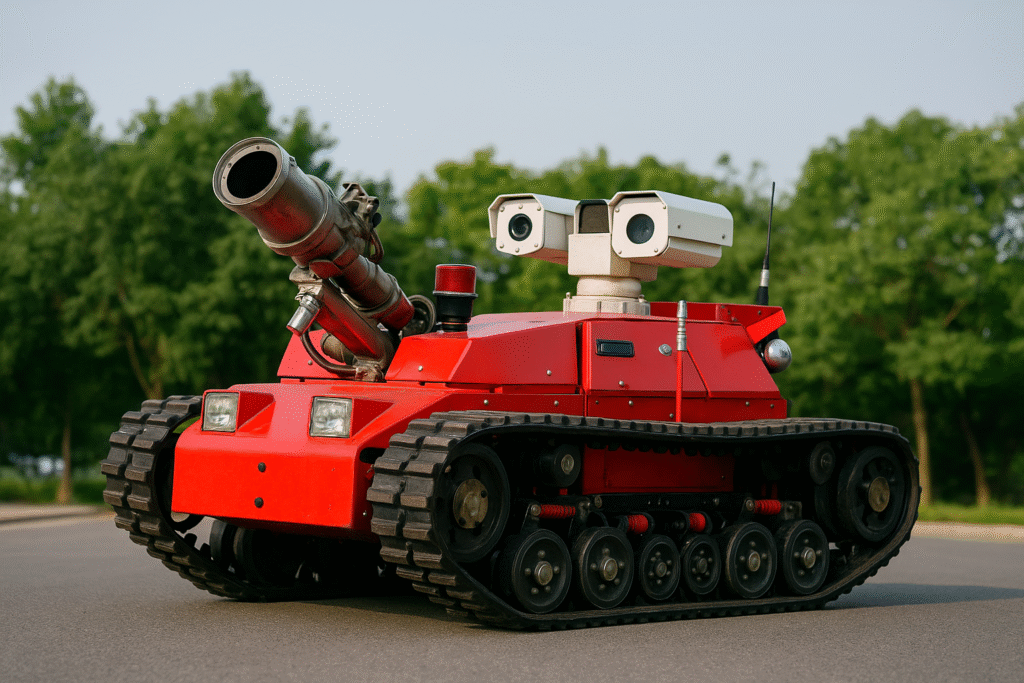
Today’s firefighting vehicles are far more than just water carriers. They come equipped with high-pressure pumps, hydraulic systems, aerial ladders, and foam dispensers for dealing with chemical and electrical fires. Some vehicles are even integrated with thermal imaging cameras and real-time communication systems to assist crews in navigating complex emergencies. This progress is made possible by the dedication of fire fighting equipment manufacturers, who continuously innovate to enhance safety standards. Their role in engineering vehicles capable of tackling multiple challenges ensures that fire departments remain prepared for diverse scenarios.
Specialized Vehicles for Different Needs
Modern firefighting recognizes that not every emergency is the same. Urban environments, industrial sites, airports, and rural areas each require tailored solutions. For example, airports rely on rapid intervention vehicles capable of carrying large volumes of foam to deal with fuel fires, while forest fire units are designed for mobility and endurance in rugged terrains. Many of these specialized designs are developed in close collaboration with fire fighting equipment manufacturers, who adapt their products to meet the unique risks of different sectors. By doing so, they ensure that firefighting teams have the right tools for every situation.
Integration of Sustainability in Vehicle Design
As industries worldwide embrace sustainability, firefighting vehicles are also evolving with eco-friendly designs. Electric and hybrid engines are gradually being introduced to reduce emissions, while water-efficient pumps help conserve resources. These innovations not only benefit the environment but also make firefighting operations more efficient and cost-effective. The emphasis on sustainability shows how firefighting is not just about immediate response but also about long-term responsibility.
The Role of Training and Technology Together
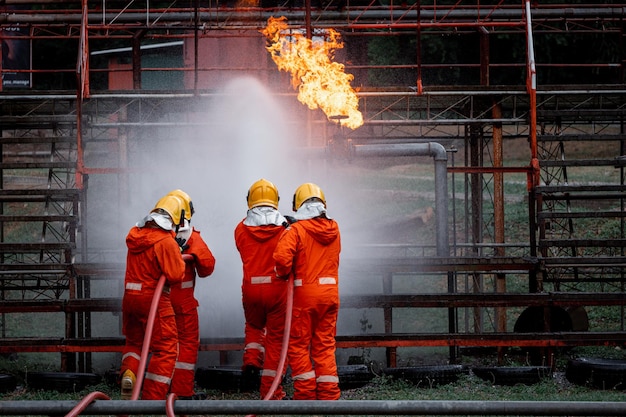
No matter how advanced the vehicle, its effectiveness ultimately depends on the crew operating it. Modern fire departments invest heavily in training firefighters to use new technology effectively. Virtual simulations and AI-driven training programs now prepare firefighters for a wide variety of scenarios, ensuring readiness at all times. This balance between equipment and expertise showcases how innovations in technology are most impactful when combined with human skill. The synergy between advanced vehicles and skilled operators highlights the importance of both equipment and human expertise in successful fire safety.
Looking Ahead: The Future of Firefighting Vehicles
The future of firefighting vehicles promises even greater advancements. Integration with smart city systems could allow vehicles to receive real-time traffic updates for faster response times. Drones may work alongside vehicles to provide aerial surveillance during emergencies, and AI could further optimize firefighting strategies. Behind these innovations, the contributions of fire fighting equipment manufacturers remain essential, as they continue to design and produce the sophisticated machines that make modern safety possible. Their ongoing role ensures that society remains well-protected in the face of evolving fire hazards.
Conclusion
The evolution of firefighting vehicles reflects humanity’s determination to adapt, innovate, and protect against one of nature’s most destructive forces. From bucket brigades to advanced, technology-driven trucks, every stage of progress has brought us closer to safer, more resilient communities. These vehicles not only represent engineering excellence but also embody a broader commitment to safety, preparedness, and sustainability. With continued innovation and collaboration, firefighting vehicles will remain at the forefront of emergency response, helping societies face challenges with confidence.