
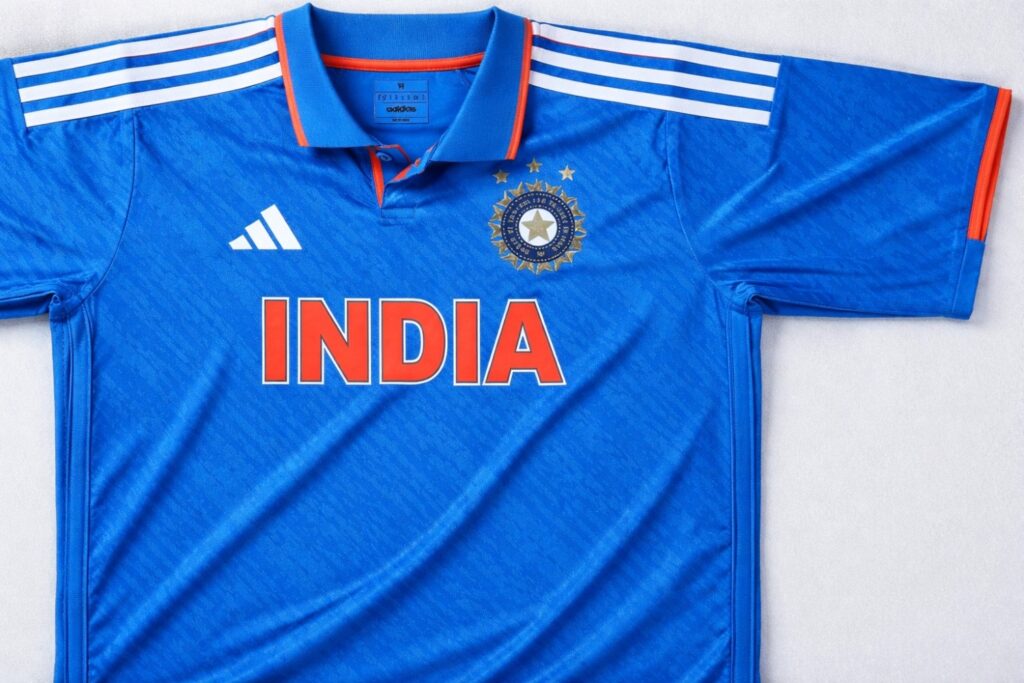
The sharp cut of a cricket jersey often speaks before a single ball leaves the bowler’s hand. The small details that define craftsmanship in cricket clothing set a basic kit apart from gear that looks and feels professional under pressure. For a style-conscious professional, the right shirt, trousers, and cap do more than complete a uniform; they signal standards, discipline, and respect for the game.
Cricket clothing once meant heavy cotton or wool, fine for cool afternoons but punishing in heat and humidity. Modern gear uses advanced fabrics, smarter stitching, and refined fits that support movement and keep players fresh during long spells. When cricket kit craftsmanship reaches a high level, every run, spell, and diving stop feels easier, and the team still looks sharp at the presentation ceremony hours later.
Broadcast coverage, including sports segments on ABC Network, keeps showing how clean, well-made kits stand out on screen. Viewers notice when a shirt sits perfectly on the shoulders, when colors stay deep after a long season, and when numbers and logos look sharp from every angle. That level of polish never happens by accident.
“If your kit looks sloppy, people assume your cricket will be the same. Good clothing quietly backs up everything you do on the field.”
— Club Coach
This guide walks through clear, practical cues that signal top-grade craftsmanship in cricket clothing. It covers fabric technology, construction details, and customization quality, and it touches on simple care habits that protect that investment. After reading, a professional who cares about style and performance will know exactly what to look for the next time a new kit comes out of a catalog or sample bag.
Understanding Fabric Quality: The Foundation Of Superior Cricket Apparel

Every high-performing kit starts with the right fabric. Early cricket whites often relied on cotton flannel or wool, which delivered a classic look but trapped sweat and felt heavy once wet. Modern craftsmanship in cricket clothing draws on advanced synthetic fibers and blends that prioritize comfort, durability, and a clean drape across the body.
Poly-cotton, often called PC blend, sits near the center of this shift. Polyester threads give strength, shape retention, and resistance to wrinkles, while cotton brings softness and a pleasant feel on the skin. Cricket jerseys by Fanaacs reflect this balance, combining technical strength with everyday comfort. When craftsmanship in cricket clothing uses a well-balanced PC blend, the result suits both hot afternoons and breezy evening games, with fabric that neither clings nor feels stiff.
Moisture management stands out as one of the clearest signs of fabric quality. Performance jerseys use yarns and knit structures that pull sweat away from the skin and spread it over a wider surface, so it evaporates faster. A style-conscious professional can look for terms such as moisture management or quick dry on the care label, then lightly press the inside of the fabric against the back of the hand to sense how quickly it loses dampness. When craftsmanship in cricket clothing pays attention to this detail, the shirt stays lighter and more comfortable through long innings.
Breathability also tells a strong story. High-end jerseys and trousers often mix smooth panels with micro-mesh zones under the arms, down the sides, or behind the knees. Under a light, these areas show a more open-knit pattern, which lets heat and vapor escape. That kind of smart zoning reflects thoughtful craftsmanship in cricket clothing, because it matches fabric structure to the way the body heats up during play.
Freedom of movement depends on stretch. Many premium garments include a small percentage of elastane or spandex, which allows four-way stretch both across and along the fabric. A simple check involves gently stretching a panel and then releasing it; a high-quality piece snaps back to its original shape without waviness. When craftsmanship in cricket clothing reaches a high level, this stretch supports dives, lunges, and bowling actions without sagging elbows or knees after a few games.
A few quick hands-on checks help assess fabric quality in a showroom or at kit distribution:
- Check the weave: Hold the fabric up to bright light and look for an even, consistent weave. A good panel shows no thin patches, missed yarns, or random thicker lines, which confirms even quality across the roll and supports long-term strength.
- Test colorfastness: Rub a small hidden area with a white cloth to see whether color transfers. Strong dye work will not leave marks on the cloth, which hints at better colorfastness and a lower risk of fading after repeated washes.
- Feel weight and drape: Take the garment in both hands and notice how it hangs. Quality fabric feels substantial but not heavy, falls smoothly without stiffness, and has a soft touch that still signals strength, all of which point to thoughtful craftsmanship in cricket clothing.
Color and print technology matter as well. Many premium shirts use dye-sublimation, where color bonds deep into polyester fibers instead of sitting on top. This method keeps logos and patterns crisp through long seasons under the sun and frequent washing. Some fabrics also carry a UPF rating on the label, such as 30+ or 50+, which adds protection against harsh midday light and rounds out the fabric story.
Construction Excellence: Where Craftsmanship Meets Durability
Once fabric passes the test, construction shows whether a garment will last through dives, slides, and repeated wash cycles. True craftsmanship in cricket clothing appears in the seams, panel layout, and finishing work that hold everything together. These details often hide on the inside of the kit, yet they decide how it feels after the fiftieth over as much as after the first.
Stitching is the first area to inspect. Flatlock seams, which sit nearly flat against the skin, reduce rubbing along the shoulders, sides, and inner thighs. In contrast, simple raised seams can rub through a long spell and distract a bowler or fielder. When craftsmanship in cricket clothing uses flatlock construction in high-contact zones, it signals real attention to comfort as well as durability.
Reinforcement in stress areas separates professional-grade garments from basic ones. Underarm gussets, the crotch area, and pocket corners take constant force from running and sliding. A close look often reveals extra rows of stitching or tight clusters of small stitches known as bar-tacks. These dense stitch clusters spread pressure and reduce tear risk, a clear sign that craftsmanship in cricket clothing anticipates hard play rather than casual use.
Panel design also tells a story. Modern jerseys rarely rely on just a front and back piece. Instead, they may use curved side panels, shoulder yokes, and raglan sleeves that run from neck to underarm. Raglan sleeves support wider arm rotation for bowling and throwing, because the seam line follows natural movement. Similar principles are discussed when evaluating football jersey material and fit, where anatomical paneling improves performance by aligning garment structure with body mechanics. This kind of design thinking shows that craftsmanship in cricket clothing considers how the body moves, not only how the jersey looks on a hanger.
Trousers deserve the same level of attention. A high-quality pair usually combines an elasticated waistband with an internal drawstring for a secure yet comfortable hold. Articulated knees, shaped with darts or extra pieces of fabric, help the legs bend easily for crouched fielding positions or quick singles. The hem should sit neatly over cricket shoes without dragging on the ground, and enough room should exist for pads without tightness at the thighs. Well-planned trouser construction forms a key part of craftsmanship in cricket clothing, even if few players talk about it directly.
Necklines and caps round out construction details. A classic crew neck offers a sporty, clean look that suits most teams, while a V-neck gives a touch more space and air around the throat. A short collar can add a dressier feel and a slight extra cover for the back of the neck. Caps with a firm pre-curved brim, neat panel joins, and embroidered eyelets for ventilation stay comfortable through long days. When craftsmanship in cricket clothing extends to cap stitching and adjustment straps, the entire kit feels consistent.
“Good construction is invisible when it’s right and annoying every over when it’s not.”
— Team Kit Manager
Physical checks help reveal this construction quality in a few moments:
- Pull the seams: Gently pull along a seam on the inside of the jersey or trousers. Good stitching holds firm without visible gaps, skipped threads, or cracking sounds, which points to stronger performance under real match stress.
- Trace the inside: Turn the garment inside out and run your fingertips along each seam. Flat seams feel smooth, raw edges stay covered, and there are no long loose threads, which shows careful work rather than rushed factory output.
- Check symmetry: Lay the jersey flat and compare the left and right sides for symmetry. When panel lines, logos, and sleeve lengths line up neatly, it signals that craftsmanship in cricket clothing includes careful cutting and assembly, not just hurried stitching.

The Art Of Customization: Evaluating Embroidery And Printing Excellence
Logos, names, and numbers do more than help commentators and fans. Custom work carries the team’s identity, and poor execution drags down even the finest fabric and stitching. High-level craftsmanship in cricket clothing always extends to embroidery and printing, because these areas sit in full view during every match and photo.
Embroidery gives a raised, textured finish that feels premium for crests and small logos. A close look at good embroidery shows tight, even stitches, smooth edges, and rich color with no fabric puckering underneath. Letters below about a quarter of an inch in height often blur together, so any design that demands very tiny text may suit printing better. When craftsmanship in cricket clothing uses embroidery wisely, badges on the chest or caps hold their shape and color far beyond a single season.
Some designs call for more color and fine detail than thread can handle. That is where printing methods come in. Screen printing suits simple shapes with a few solid colors and works well for large runs of the same design. Heat transfer vinyl often appears in names and numbers on the back, since it allows quick changes from player to player. Both methods sit on top of the fabric, which can feel slightly thicker in that area and may crack or peel after heavy wear. Careful craftsmanship in cricket clothing keeps these prints smooth, flexible, and correctly placed so they move with the body.
Dye-sublimation stands at the high end for all-over graphics on polyester garments. This process turns ink into gas under heat, which then bonds deep inside the fibers. The result has no raised surface at all, and the printed area feels exactly like the rest of the fabric. Colors stay intense, gradients look smooth, and patterns never flake away. When craftsmanship in cricket clothing leans on dye-sublimation for complex designs, sponsors and team art keep their impact season after season.
Artwork quality plays a larger role than many teams realize. Vector files, which designers save in formats such as AI, EPS, CDR, or PDF, scale up or down without loss of sharpness. Raster images in JPG or PNG format can work if they have very high resolution, but low-quality files show jagged edges once enlarged on a jersey. Orders that start with clean vector artwork give printers and embroiderers the best chance to show true craftsmanship in cricket clothing.
“Spend time on your artwork and specs; poor files cause more kit problems than any machine ever will.”
— Club Print Technician
Simple checks help a style-conscious professional read customization quality with confidence:
- Bend the print or embroidery: Gently bend the printed or embroidered area across a finger. Good work moves easily without cracks, gaps, or sudden white lines, which signals that the material and application suit cricket-level movement.
- Inspect the edges: Look closely at the edges of letters and logos under strong light. Clean edges with no halos, ink bleed, or loose threads show that machines and settings stayed well-tuned during production, an important part of craftsmanship in cricket clothing.
- Feel the backing: Lift the jersey slightly and run your fingers across the inner side of the decorated area. Smooth backing, with no scratchy patches or stiff squares, means the maker balanced appearance with comfort and did not ignore the skin side of the garment.
Conclusion
Craftsmanship in cricket clothing rests on four connected pillars:
- Advanced fabric technology sets the base, from moisture management and breathability to smart stretch, colorfastness, and sun protection.
- Strong construction holds that fabric in shape through countless washes, with quality seams, smart panel layouts, and thoughtful details in trousers and caps.
- Clear, durable customization finishes the picture so names, numbers, and logos carry team identity with pride.
- Simple care habits such as cool washes, shade drying, and gentle treatment of prints protect the work over time.
For a style-conscious professional, attention to these details pays off in more than just appearance. Shirts and trousers that breathe well and move freely support better focus under stress. Logos that stay sharp and fabrics that keep their color send a message about standards every time the team steps onto the field or appears on broadcast.
Armed with a clear view of what real craftsmanship in cricket clothing looks like, any captain, manager, or serious player can assess samples with far more confidence. Each future kit order can follow these simple checks on fabric, construction, and customization, together with smarter care at home. In that way, cricket clothing turns from a recurring headache into a steady source of comfort, performance, and quiet professional pride.